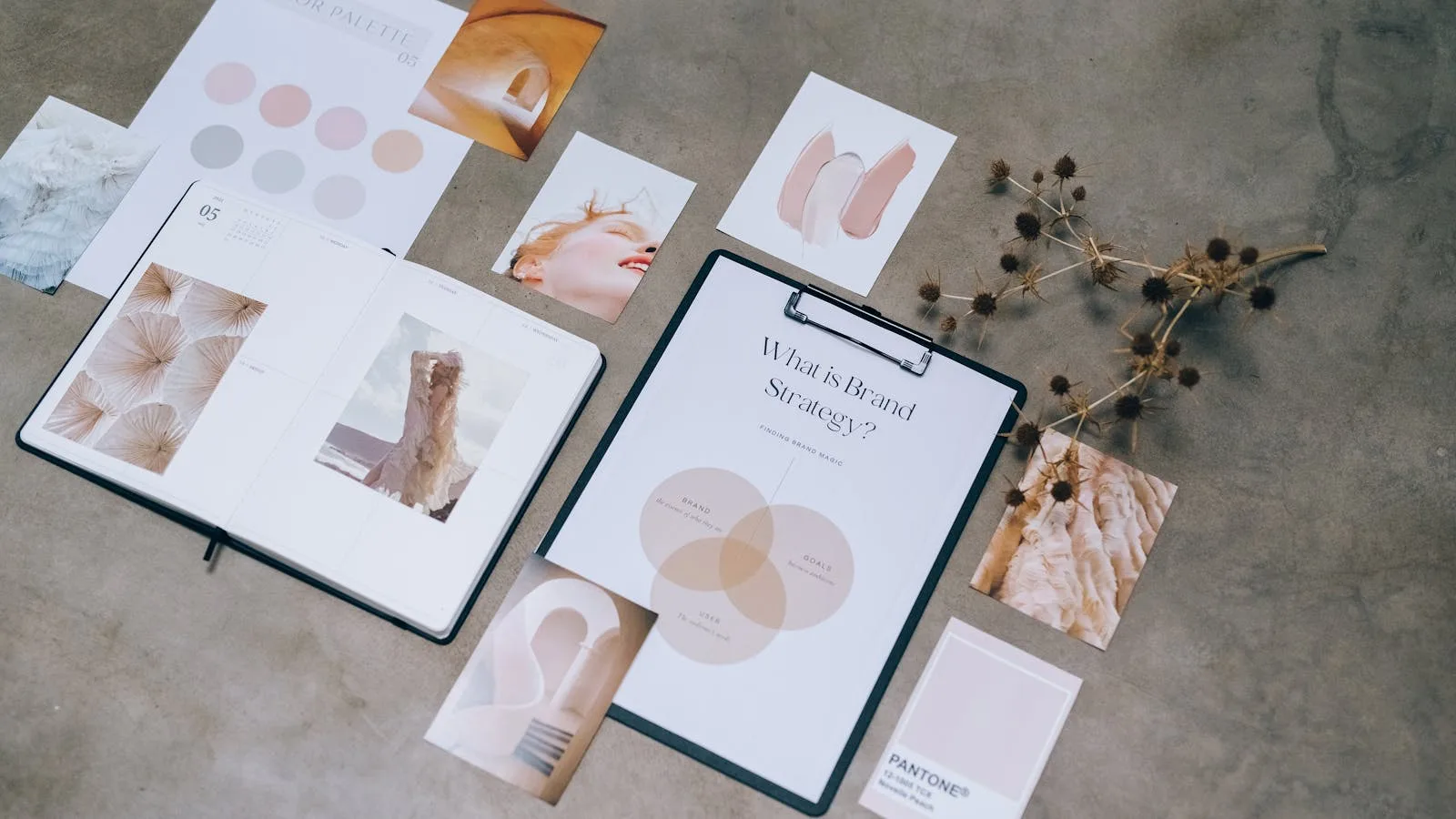
Branding
5 min read
Branding and Web Design: Why They Must Work Together
Your website is your brand's face online. We explore how to align visual identity with digital experience.
Read Article
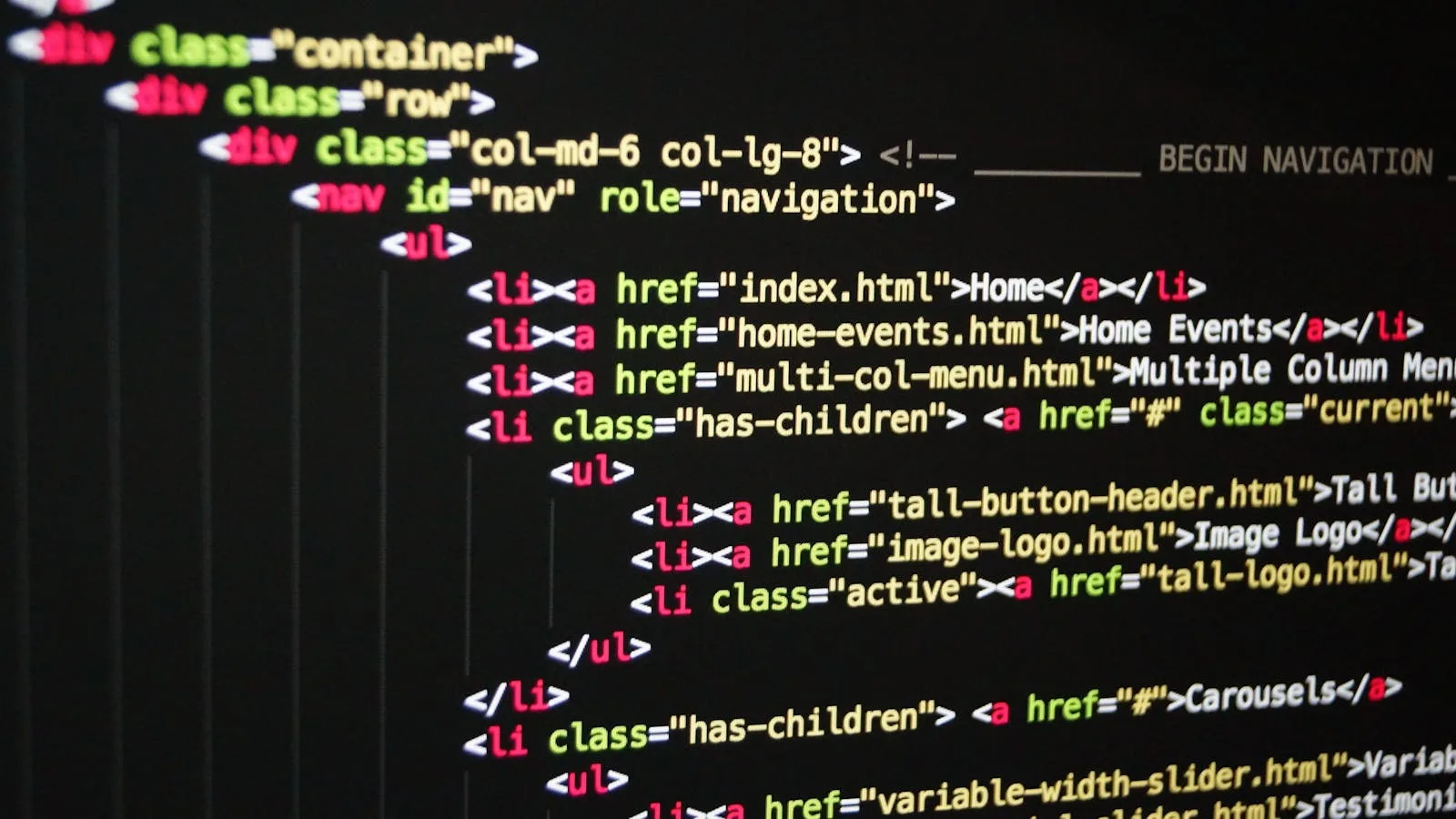
Ready-made templates and website builders promise a fast and cheap result. For a small project or to test an idea, that can be a reasonable start. But for a growing business such a solution often turns into a brake — and the hidden costs reveal themselves only later.
The first problem is performance. Universal templates load a lot of unnecessary code and scripts that your site doesn't even use. The result — slow loading that hurts both user experience and SEO. The second — limited customizability. As soon as you need a feature the template doesn't anticipate, the fight with the system's limitations begins.
The third problem is a lack of uniqueness. Thousands of other companies use the same template, so your brand blends in with the rest. The fourth — dependence on the platform. If the builder raises prices, changes its terms, or shuts down, your site is held hostage.
Over time, so-called technical debt accumulates — customizations and workarounds bolted onto a system that wasn't designed for them. Every new fix becomes more complex and expensive. In the end it often turns out that it's easier to rebuild the site from scratch than to keep patching it.
If the website is your main sales channel, if you have specific features or integrations, or if brand image matters, custom development pays off. Modern technologies like Next.js let you build a fast, secure, and fully tailored site that grows with the business rather than limiting it. The initial investment is larger, but in the long run it saves both money and nerves.
Your website is your brand's face online. We explore how to align visual identity with digital experience.
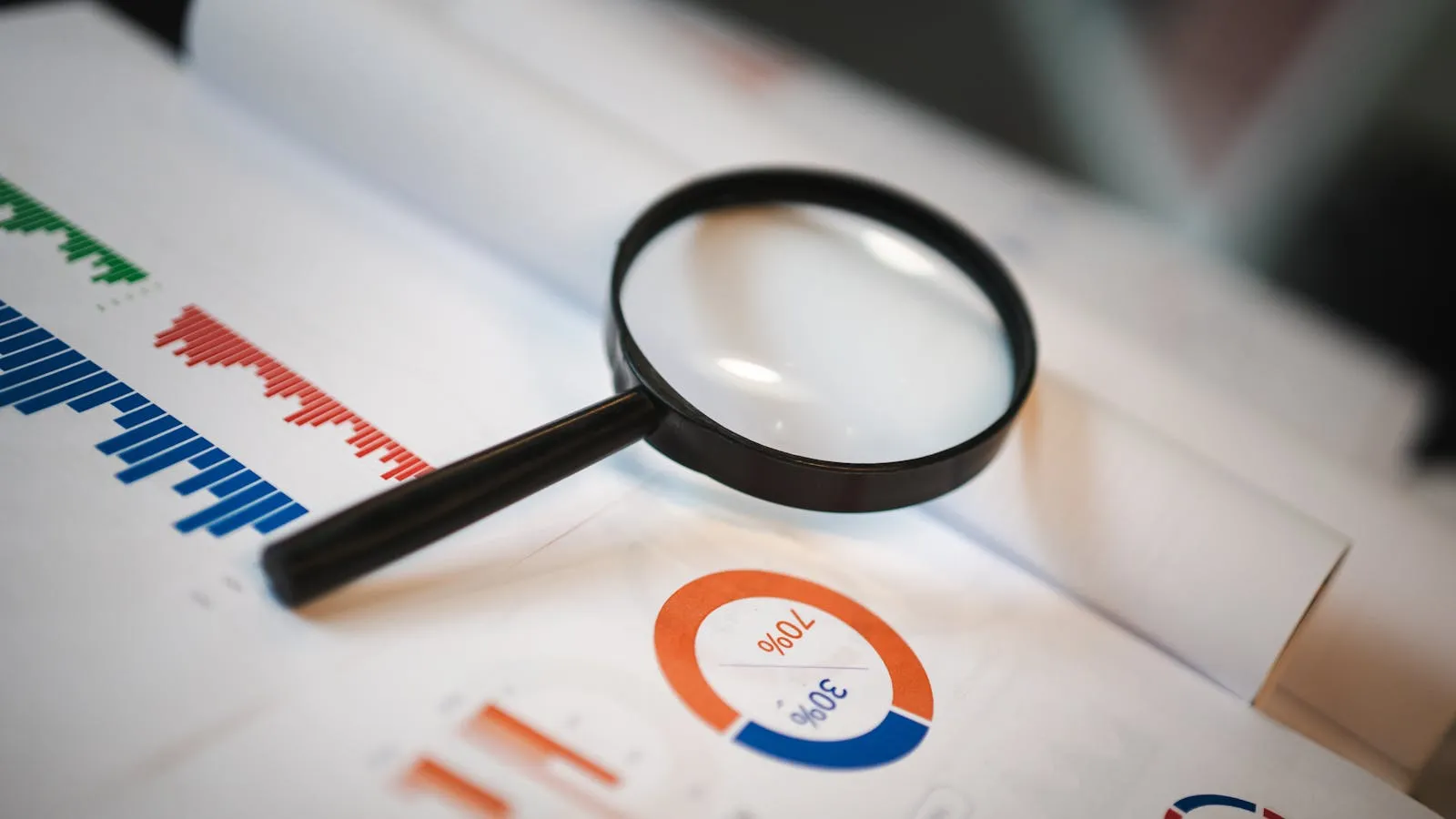
Classic SEO still matters, but GEO is emerging — optimization for AI answers. We cover the basics of both and how they differ.

Without analytics you're flying blind. We cover why Google Analytics and Search Console are essential and how to connect them.
Let's create something amazing together. Get in touch and we'll bring your vision to life.